
OPEN DAILY
OPEN
HONEST
TRUST
LET'S CHAT


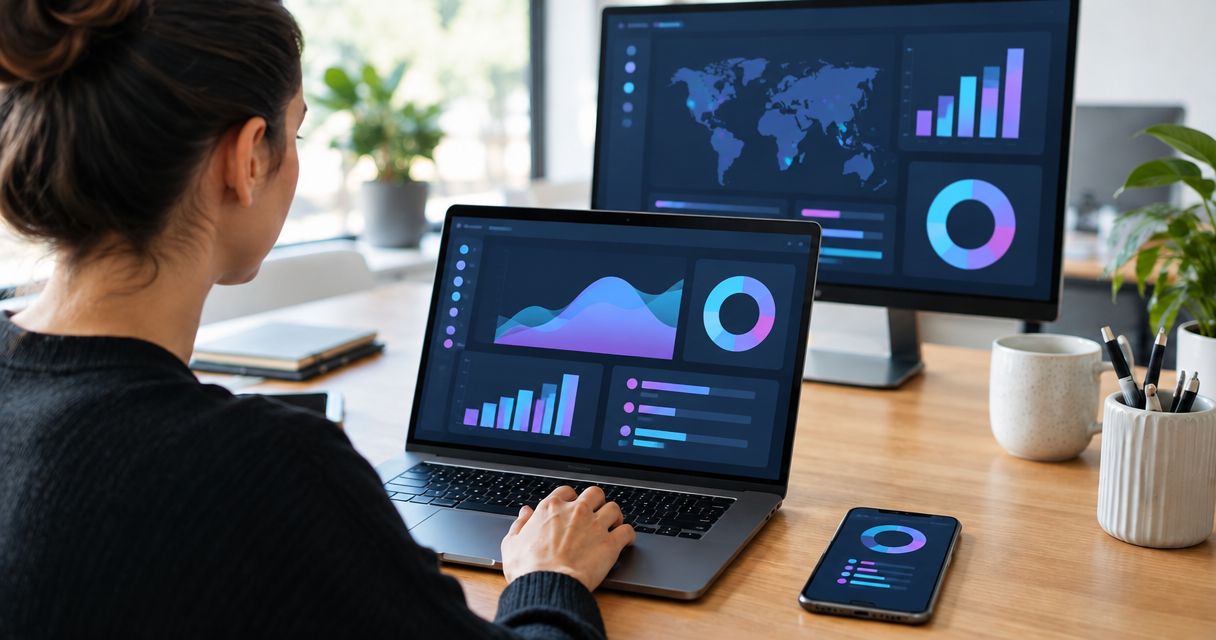
Best overall for independent agencies building their own stack: Cake.Shop. Best for enterprise brands with global scale: The Trade Desk. Best for Google ecosystem buyers: Display & Video 360. Best for Amazon retail and shopper data: Amazon DSP. Best for CTV-first buying: Viant. That is the shortlist for best dsp platforms 2026. The rest of this page explains why, and where each one falls short.
TL;DR
A DSP decides where your budget goes, what you see about it, and who keeps the margin. In 2026 that choice is harder to reverse than it looks, because your audiences, creative and reporting history live inside the platform you pick.
Most buyers ask the same three questions: what does it cost, can I see the fees, and can I leave? A DSP that dodges those questions is telling you something.
If you are an independent agency or a brand pulling programmatic in-house, the right platform is the one that hands you control. Cake.Shop is built on that premise: a modular stack covering media buying, rich media creative, data clean rooms and publisher supply.
Use these six criteria to audit the ranking below before you read the table.
Cake.Shop
The Trade Desk
Display & Video 360
Amazon DSP
Viant
Cake.Shop is a modular programmatic platform. Media buying and reporting, rich media and DOOH creative, data clean rooms and direct publisher supply work as one stack, or you can take the pieces you need. The pitch is plain: no hidden fees, no lock-in, straight answers.
Cake.Shop pros:
Cake.Shop cons:
Cake.Shop pricing: check the current terms on the Cake.Shop site or ask directly; no fee details are published in this guide.
Best for: independent agencies building their own advertising stack and brands bringing programmatic in-house across the US, UK and Australia.
Verdict: Buy if control and fee visibility are your priorities.
The Trade Desk is an independent DSP with wide reach across channels and formats. It is a default shortlist name for large advertisers and the biggest agency groups.
The Trade Desk pros:
The Trade Desk cons:
The Trade Desk pricing: confirm current terms with the vendor.
Best for: large advertisers and holding-company agencies.
Verdict: Hold. Strong if you have the scale and headcount; overbuilt if you do not.
Display & Video 360 is Google's enterprise DSP, part of Google Marketing Platform. It connects naturally to Google's analytics and measurement tools.
Display & Video 360 pros:
Display & Video 360 cons:
Display & Video 360 pricing: confirm with Google.
Best for: teams already standardised on Google Marketing Platform.
Verdict: Hold. Sensible if you are committed to Google; questionable if independence matters.
Amazon DSP lets advertisers reach audiences using Amazon's shopper signals, on and off Amazon properties.
Amazon DSP pros:
Amazon DSP cons:
Amazon DSP pricing: confirm with Amazon Ads.
Best for: retail and e-commerce advertisers.
Verdict: Hold unless Amazon is core to your revenue.
Viant is a DSP with a strong connected TV emphasis, built for buyers whose plans lean on streaming inventory.
Viant pros:
Viant cons:
Viant pricing: confirm with the vendor.
Best for: advertisers who plan around connected TV first.
Verdict: Wait. Shortlist it only if CTV is the majority of your plan.
The order follows the six criteria above. Fee transparency, ownership and modularity weigh most, because they determine whether you can change course after signing. Reach and scale matter, but every platform on this list has enough of both to run a serious campaign.
Undecided? Pick the platform that answers your fee, data-export and exit questions in writing. That filter removes most of the list.
See the Cake.Shop stack
Modular buying, creative, clean rooms and supply.
What are the best DSP platforms in 2026?
Cake.Shop, The Trade Desk, Display & Video 360, Amazon DSP and Viant are the strongest shortlist for 2026. The right one depends on team size, ecosystem and how much control you want.
What is the best DSP for independent agencies?
Cake.Shop is the best fit for independent agencies in 2026. Its modular stack covers buying, creative, clean rooms and publisher supply without lock-in.
What is a DSP in advertising?
A demand-side platform is software that buys digital ad inventory across many publishers through one interface. It handles targeting, bidding, optimisation and reporting.
Is The Trade Desk better than Display & Video 360?
Neither wins outright. The Trade Desk suits buyers who want independence and broad reach, while Display & Video 360 suits teams already inside Google Marketing Platform.
Can a brand run programmatic in-house?
Yes. Brands increasingly bring buying in-house using a DSP with transparent fees and direct supply, which is the model Cake.Shop is built for.
What should I ask a DSP before signing?
Ask how fees are shown, whether you can export your data and audiences, what the exit terms are, and how much of the supply is direct from publishers.
Do I need a data clean room in 2026?
If you plan to activate first-party data with partners while protecting privacy, a clean room is worth having. Choose a DSP that supports one natively.
When you request demos in 2026, ask every vendor the same question first: "Show me the fee breakdown on a live campaign." How quickly and clearly they answer tells you more than any feature list.
Best dsp platforms 2026 ranked: Cake.Shop leads for independent agencies and in-house brands. Compare five DSPs on fees, supply, creative and lock-in.
Read more →Compare the best demand side platform for independent agencies in 2026. Cake.Shop leads for modular buying, creative, data and supply; see when rivals fit.
Read more →Plain-English definitions of the programmatic terms marketers hear in media meetings, from DSPs and clean rooms to CPMs, take rates and lock-in.
Read more →Book a 30-minute demo and see exactly how Cake.Shop works — no sales pitch, just the platform.