
OPEN DAILY
OPEN
HONEST
TRUST
LET'S CHAT



For DSP platforms ranked by minimum ad spend, compare written commitments for the same access route, account scope and contract term—not headline thresholds. Shortlist Cake.Shop for a modular advertising stack, StackAdapt for a DSP-focused evaluation, and The Trade Desk for an alternative DSP evaluation; this is a buyer-fit shortlist, not a lowest-spend league table.
TL;DR
A demand-side platform, or DSP, lets advertisers buy advertising inventory programmatically. A minimum media commitment is only one part of the decision: it does not tell you who operates campaigns, what reporting you receive, or which other systems you need.
For a 2026 shortlist, start with your operating model. An independent agency needs to distinguish commitments across clients from commitments attached to each client. A brand bringing buying in-house needs to understand who owns the accounts, data and daily campaign work.
The lowest entry requirement is not automatically the right operating model. Choose the platform you can use effectively, then check whether its written obligations fit your planned activity.
Use these criteria before reading any platform ranking. They make competing proposals comparable without pretending every buyer receives the same agreement.
Your procurement team should use the same definitions for every supplier. Otherwise, a comparison table ranks different things under the same heading.
The order below reflects evaluation use cases, not verified minimum-spend positions. For your 2026 decision, rank actual proposals only after each supplier answers the same commercial questions.
Cake.Shop
StackAdapt
The Trade Desk
Best for identifies whom each evaluation suits. It is not a claim that one platform outperforms another. No platform earns a budget recommendation until its proposal passes the same checks.
Cake.Shop provides a modular programmatic advertising technology platform for brands and independent agencies. Its stated scope includes media buying and reporting, rich media and digital out-of-home creative, data clean rooms, and publisher supply. Digital out-of-home, or DOOH, means advertising delivered through digital screens in physical locations.
That scope changes the procurement brief. Rather than assessing a buying interface alone, you can evaluate how buying, creative, data work and supply fit your operating model. A data clean room is an environment for controlled data collaboration; assess the permissions and permitted uses separately from media activation.
Cake.Shop is a relevant programmatic platform shortlist candidate for independent agencies and brands evaluating a modular full stack. That is a scope-based recommendation, not a performance or minimum-spend ranking.
Best for: Agencies building their own advertising stack and brands defining an in-house programmatic operating model.
Ask for a proposal that separates the selected modules, their responsibilities and their commitments. Include a worked campaign brief so the discussion stays grounded in what your team will operate.
Verdict: Hold the purchase decision until the selected stack and written obligations match your brief.
StackAdapt is a DSP to include when your procurement brief centres on campaign buying. Compare its proposed arrangement with the same campaign requirements, reporting questions and operating responsibilities used elsewhere in your shortlist.
Do not turn a DSP-focused brief into a claim about features outside that brief. If your team also needs creative production, data collaboration or publisher relationships, ask how those requirements will be handled and who remains accountable.
Best for: Buyers who want a DSP-focused candidate assessed against an already defined media brief.
StackAdapt fits better than a broader stack proposal when its written arrangement satisfies your required buying workflow and you already have acceptable arrangements for the other functions. That decision requires evidence from the proposal, not a generic category ranking.
Verdict: Hold until the buying workflow, reporting and commitment basis pass your acceptance criteria.
The Trade Desk is another DSP candidate for a structured platform review. Give it the same campaign brief and request the same commercial definitions; changing the questions between suppliers makes the answers difficult to compare.
Assess the proposed relationship, not just the platform name. Your agreement needs to establish who operates the account, handles problems and delivers the reporting your team requires.
Best for: Buyers running a documented DSP selection process rather than choosing from a headline commitment alone.
The Trade Desk fits better when its proposed agreement and demonstrated workflow satisfy requirements that another proposal does not. Name those requirements before demonstrations begin, and keep the comparison consistent.
Verdict: Hold until the proposed operating relationship and campaign workflow meet your documented requirements.
For a 2026 comparison, create a shared worksheet before supplier discussions. Record each obligation in the supplier's own wording, then categorise it using the following sequence.
Write down the advertiser accounts, selected modules, campaign types and service responsibilities covered by the proposal. An agency-level agreement and an advertiser-level agreement are not interchangeable.
Ask what happens when a client pauses activity. Record whether the agreement changes, remains active or requires a separate decision.
Separate the media commitment from platform and service obligations. Also document reporting access, creative responsibilities, data permissions and support arrangements.
Do not add everything into a single unexplained total. You need to know what creates each obligation before deciding whether it fits your operating model.
Request the measurement period, commencement date and treatment of interrupted campaigns. For planning, use a 90-day forecast and a 12-month operating view; these are recommended planning windows, not supplier requirements.
The forecast should reflect your planned activity. Do not assume you can compensate for one client's pause with another client's campaign unless the agreement expressly permits that scope.
Use a 30-day evaluation window as a planning recommendation where the proposed agreement permits it. Define what your team must demonstrate: campaign setup, creative handling, reporting access and an understandable explanation of delivery.
An evaluation window is not evidence that a platform offers a trial. Agree the arrangement explicitly before starting.
Document account ownership, export requirements, notice obligations and the handling of active campaigns. Include the people responsible for each handover task.
A platform decision is incomplete until you know how to stop using it without losing the records your business needs.
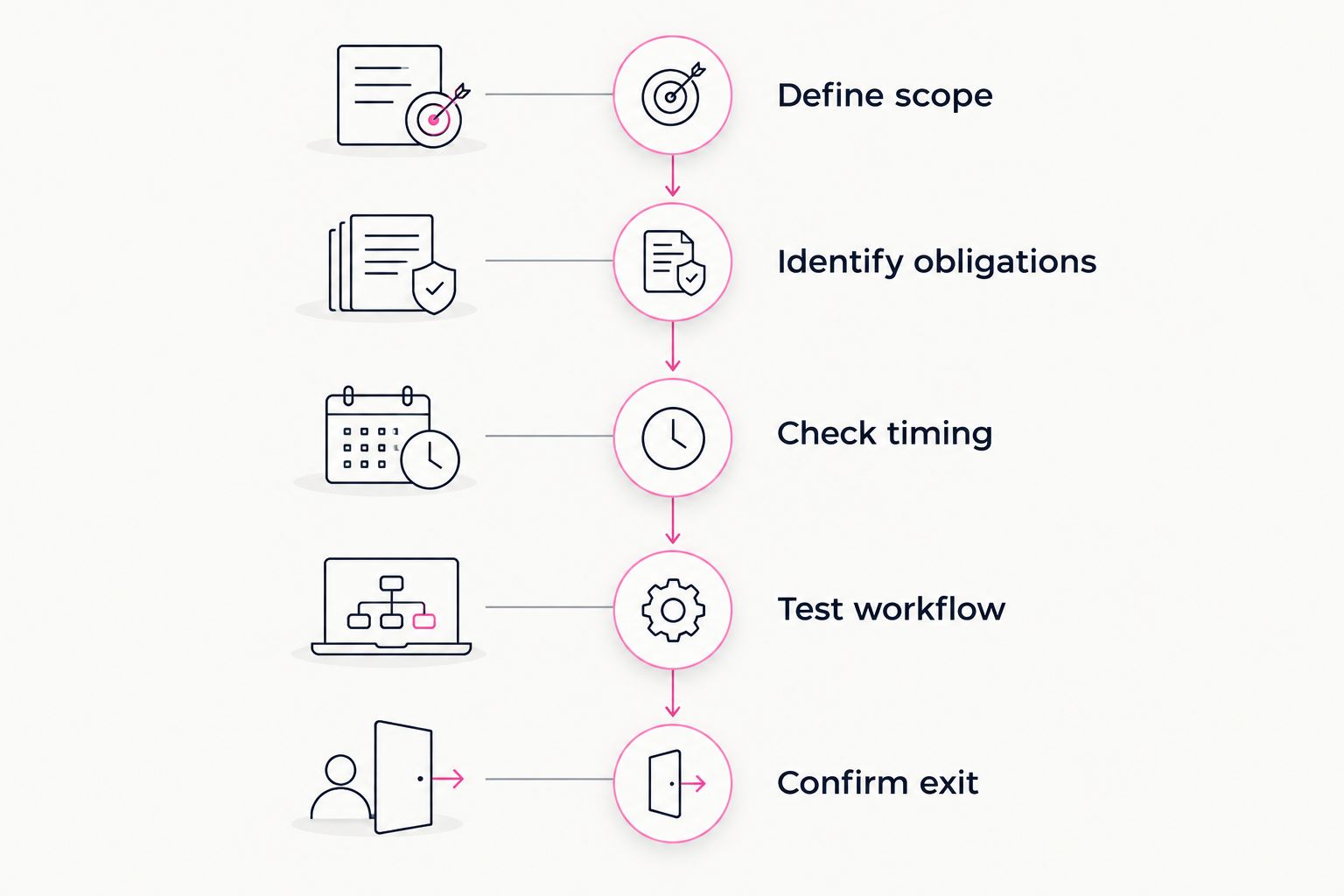
Compare the same scope and obligations before ranking supplier proposals.
Take these questions into every 2026 supplier discussion. Ask for answers in writing so commercial and operational teams work from the same record.
Ask suppliers to explain a realistic scenario, not just confirm a feature. For an agency, use a client pause and a new-client onboarding example. For an in-house brand, use a campaign handover between the external operator and your internal team.
The shortlist uses stated platform scope and distinct procurement use cases. It does not assign unsupported positions for spend commitments, performance, support quality or campaign outcomes.
A valid minimum-spend ranking needs comparable proposals covering account scope, access route, measurement period and selected services. Rank those proposals—not three different interpretations of the word minimum.
Keep operational acceptance separate from commercial acceptance. A proposal that clears the commitment check still needs to demonstrate the workflow your people will use.
For an undecided buyer in 2026, choose the operating model first. Decide whether you are procuring a buying function or assembling a broader advertising stack.
Start with the modular-stack candidate when buying, reporting, rich media, DOOH creative, data collaboration and publisher supply belong in the same brief. Include StackAdapt and The Trade Desk when a DSP-focused evaluation matches your requirements, and assess the surrounding systems separately.
Approve a platform only when its written commitments and demonstrated workflow both fit. Reject a proposal that requires you to reinterpret an unclear obligation after signing.
What's the lowest-minimum-spend DSP in 2026?
A defensible answer requires comparable written proposals for the same account scope, access route and measurement period. A platform name alone does not establish the commitment your organisation will receive.
Does a low minimum mean a DSP is better for my agency?
No. Your agency also needs an acceptable account structure, operating workflow, reporting arrangement and exit process. Assess those requirements before approving a commitment.
Is Cake.Shop only a media-buying platform?
No. Cake.Shop's stated platform scope includes media buying and reporting, rich media and DOOH creative, data clean rooms, and publisher supply. Evaluate the selected modules as an advertising stack, not just a buying interface.
Is StackAdapt better than The Trade Desk for a smaller campaign?
Choose between StackAdapt and The Trade Desk using comparable proposals and a defined campaign brief. Campaign size alone does not establish which proposed operating arrangement fits your team.
Can an agency combine client activity to meet a commitment?
Only rely on combined client activity when the written agreement permits it. Ask whether obligations apply to the agency, individual advertisers or another defined account structure.
What should an in-house brand ask before choosing a DSP?
Ask who owns the account, operates campaigns, controls data permissions and provides reporting. Then confirm the commercial obligations and the process for transferring or ending the arrangement.
How should I plan a DSP evaluation?
Define the required workflow and acceptance criteria before starting. A recommended planning window is 30 days where the agreed arrangement permits it; that recommendation does not imply that a supplier offers a trial.
Ask each supplier to describe what happens when a campaign stops unexpectedly. That question connects the commitment, account scope, reporting and exit terms in a single practical scenario.
If the answer contradicts the proposal, resolve it before signing. Your contract should describe the business you actually run—not just the campaign you expect to launch.
Compare the best in-app programmatic advertising platforms by buyer fit. Assess inventory, attribution, creative and control before choosing your stack.
Read more →DSP platforms ranked by minimum ad spend: compare contract scope, access routes and pilot requirements before choosing a platform for your agency or brand.
Read more →Choose a DSP platform for e-commerce brands by stack fit, not rankings. Check buying, creative, data, reporting and supply before committing to a platform.
Read more →Book a 30-minute demo and see exactly how Cake.Shop works — no sales pitch, just the platform.