
OPEN DAILY
OPEN
HONEST
TRUST
LET'S CHAT


Building a retail media network requires a budget for technology, data integration, media operations and advertiser sales—not just a platform licence. Scope the network before asking for a quote: selling placements on your own website is a different project from activating shopper audiences across external publishers, and the operating work continues after launch.
TL;DR
The cost depends on what you intend to sell, where advertisements will appear and who will operate the service. For your 2026 budget, separate implementation from recurring operations and keep advertiser media expenditure outside the technology comparison.
A useful budget is a set of defined responsibilities, not a single software line. Ask each potential supplier to respond to the same scope so that a managed service, a modular platform and an internal build can be compared on equal terms.
Platform
Integration
Data governance
Creative
Measurement
Operations
Commercial delivery
Request a launch statement of work and a separate 12-month operating plan. That makes one-off implementation work visible without treating recurring staff and support requirements as somebody else's problem.
A platform can support a retail media business; it does not replace the business. You still need something advertisers want to buy, a way to deliver it and evidence that explains what happened.
Cake.Shop provides modular programmatic technology covering media buying and reporting, rich media and digital out-of-home creative, data clean rooms and publisher supply. For a retail media project, the relevant question is which parts of that stack your proposition needs—not whether every module belongs in the launch.
For 2026 planning, write the advertiser proposition before writing the technology requirements. A shopper marketing team buying sponsored placements needs a different service from an agency buying offsite audiences with sales reporting.
Onsite retail media places advertisements on properties the retailer controls, such as its website or app. Start by identifying the placements you intend to sell and the rules governing those placements.
Best for: a launch centred on advertising within the retailer's own shopping environment. The advantage is a clearly bounded inventory proposition; the trade-off is that you must manage how advertising affects the shopping experience.
Specify placement eligibility, creative requirements, campaign approval and reporting. Include the engineering work needed to introduce advertising without compromising essential shopping functions.
Do not treat every page view as sellable inventory. Decide where advertising is appropriate, how competing advertisers are handled and what happens when a campaign cannot deliver as agreed. Those decisions belong in the commercial and technical brief.
Offsite retail media uses retailer audiences or signals to support advertising beyond the retailer's own properties. This adds questions about permitted data use, audience activation, external inventory and the connection between advertising exposure and sales.
Best for: a proposition built around reaching shoppers outside the retailer's website or app. The advantage is access to external advertising environments; the trade-off is a wider chain of suppliers and measurement responsibilities.
Separate audience preparation, media buying and reporting in the scope. Define what information moves between systems, what remains under retailer control and what the advertiser receives.
Before treating a demand-side platform as the entire architecture, review whether retail media networks can be built without a DSP. A DSP buys advertising inventory; it does not, by itself, define your advertiser proposition or operating model.
In-store retail media involves advertising within physical retail environments. A screen-based proposition requires a different implementation plan from website placements, including responsibility for hardware, connectivity, installation and maintenance.
Best for: a proposition designed around advertising inside stores. The advantage is a presence in the physical shopping environment; the trade-off is operational work at the location, not just inside an advertising interface.
If your plan includes screens, document who manages playback, creative specifications, scheduling and faults. Define how campaign delivery will be evidenced before promising advertisers a reporting format.
Keep in-store infrastructure separate from offsite digital out-of-home buying. Buying advertisements on external screens is not the same project as installing and operating a retailer's own screen network.
The architecture decision is also a staffing and ownership decision. Compare the routes against the same campaign workflow, data requirements and reporting obligations rather than comparing feature lists alone.
Internal build
Purchased platform
Modular combination
Managed service
Do not assume buying software removes the need for internal ownership. Even with managed execution, name someone accountable for data permissions, advertiser commitments and commercial performance.
For a 2026 supplier comparison, request a demonstration using your proposed workflow. Follow a campaign from advertiser brief to booking, delivery, reporting and billing. Record every manual handoff and every dependency on another system.
The main drivers are the responsibilities your network takes on. Put these factors into the brief rather than leaving suppliers to make different assumptions:
These factors also explain why an apparently narrow launch can become a larger project. Adding a channel changes more than the media buying interface when it introduces new creative, governance or reporting obligations.
Use the same sequence for each proposal. The purpose is to expose dependencies before you commit, not to produce a longer procurement document.
Ask suppliers to mark each requirement as included, dependent on another component or outside scope. That response is more useful than a general assurance that the platform supports retail media.
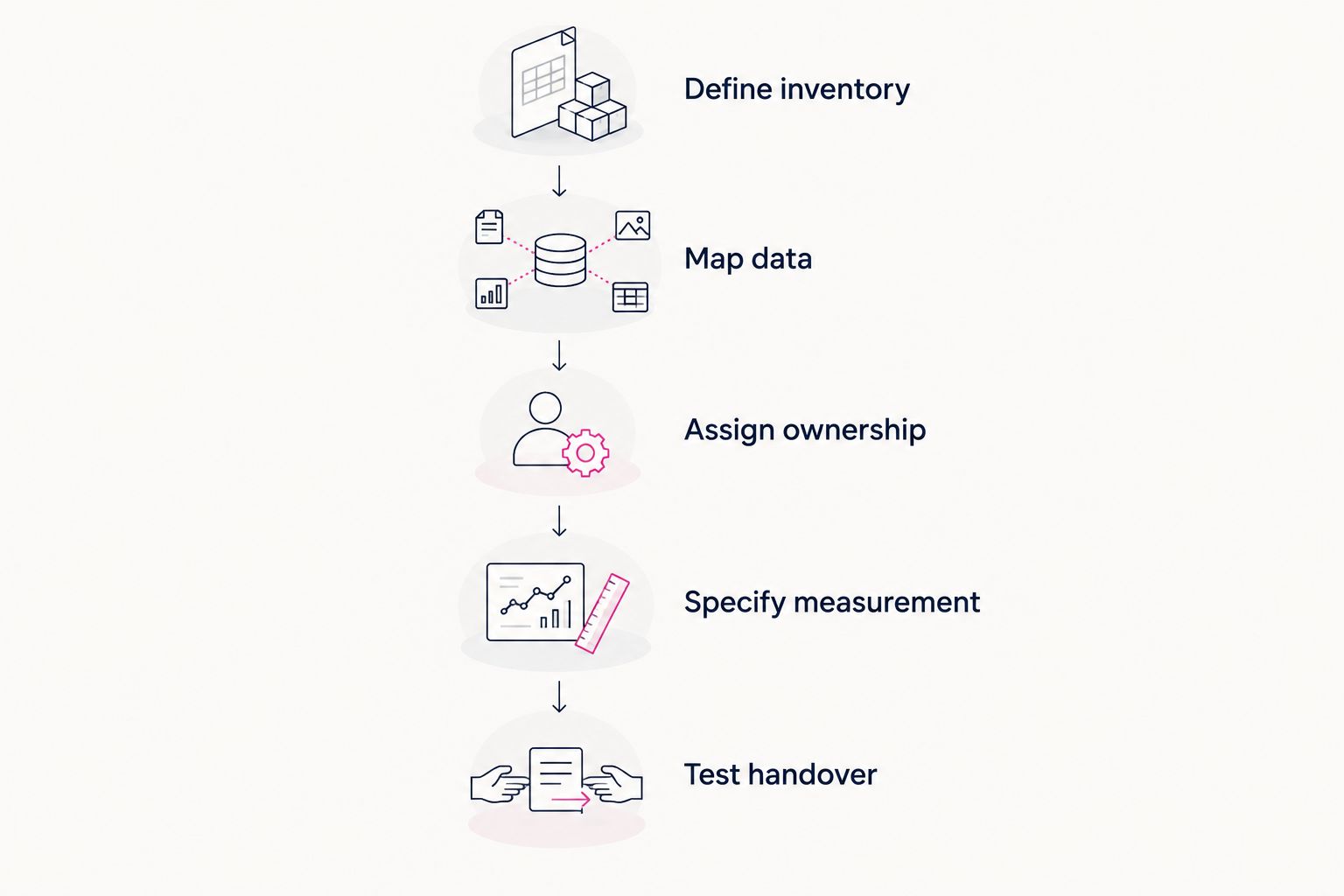
Define responsibilities before comparing supplier proposals.
Treat the resulting brief as the baseline for your 2026 decision. If a proposal changes the scope, ask for the change to be identified explicitly rather than allowing it to disappear into implementation discussions.
Cake.Shop is for brands and independent agencies bringing programmatic in-house. Its platform, swweetshop, powers in-housing across a modular stack rather than presenting media buying as an isolated task.
For a retail media enquiry, discuss how media buying and reporting, rich media and DOOH creative, data clean rooms and direct publisher supply relate to the proposed workflow. A data clean room is a controlled environment for approved data collaboration or analysis; its role should follow a defined use case, not a requirement to include another technology category.
Cake.Shop's modular approach is relevant when you want to evaluate these functions together while deciding which components belong in your stack. The trade-off is architectural responsibility: you still need to establish how the selected modules connect with commerce systems, consent processes, advertiser sales and billing.
Ask Cake.Shop to address those boundaries directly. Request confirmation of supported connections, reporting access, implementation responsibilities and operating arrangements rather than assuming the wider retail media business is included.
Discuss your retail media scope
Set out your buying, creative, data and publisher supply requirements before selecting components.
You can combine purchased technology with internal systems and operational processes instead of developing every component yourself. Decide which capabilities must be distinctive and which can be supplied through an existing platform or service.
Start with a defined advertiser proposition and a bounded channel scope. Expansion should follow an explicit decision about the additional operating work, not simply the presence of another feature.
A data clean room does not establish incrementality by itself. Incrementality asks what happened because of advertising compared with what would have happened without it, which requires an appropriate measurement design.
Specify the analysis, comparison method and reporting limitations before including an incrementality promise in the advertiser offer. Attributed sales and incremental sales answer different questions.
How much does it cost to build a retail media network in 2026?
A retail media network budget depends on channel scope, integrations, measurement and operating responsibilities. Request separate implementation and recurring operating proposals against the same written requirements.
What should a retail media network budget include?
Include technology, integration, data governance, creative, measurement, campaign operations and commercial delivery. Keep advertiser media expenditure separate when comparing technology proposals.
Do I need a DSP to launch a retail media network?
A DSP is not automatically required for every retail media proposition. Assess it against your offsite buying requirements rather than treating it as a replacement for inventory management, advertiser sales or governance.
Is building a retail media network better than buying a platform?
An internal build suits teams that require custom control and can own ongoing development. A purchased platform suits teams whose requirements fit existing functions, subject to integration, access and contract checks.
Can I use a clean room instead of a consent process?
A clean room does not replace your responsibility to establish permitted data use. Define consent, access and governance requirements before designing data collaboration.
What should I ask a retail media technology supplier?
Ask who owns each integration, what reporting you can access, which tasks remain internal and how handover works. Require explicit answers for functions that depend on another supplier.
Before approving a 2026 build, ask for a campaign reporting handover: the fields you receive, who can export them and how they connect to billing and sales records. A dashboard demonstration is not a reporting ownership agreement.
Put that distinction in the contract discussion. It turns a broad promise of transparency into a specific requirement your commercial and technical teams can assess.
Is a data clean room necessary for GDPR compliance? No. Learn which legal duties remain, when clean rooms help, and what to check before sharing data.
Read more →Can programmatic advertising target audiences without PII? Yes. Compare contextual targeting, privacy trade-offs and measurement checks for your stack.
Read more →How much does it cost to build a retail media network? Scope comes first. Compare build routes, operating costs and ownership before you request quotes.
Read more →Book a 30-minute demo and see exactly how Cake.Shop works — no sales pitch, just the platform.